
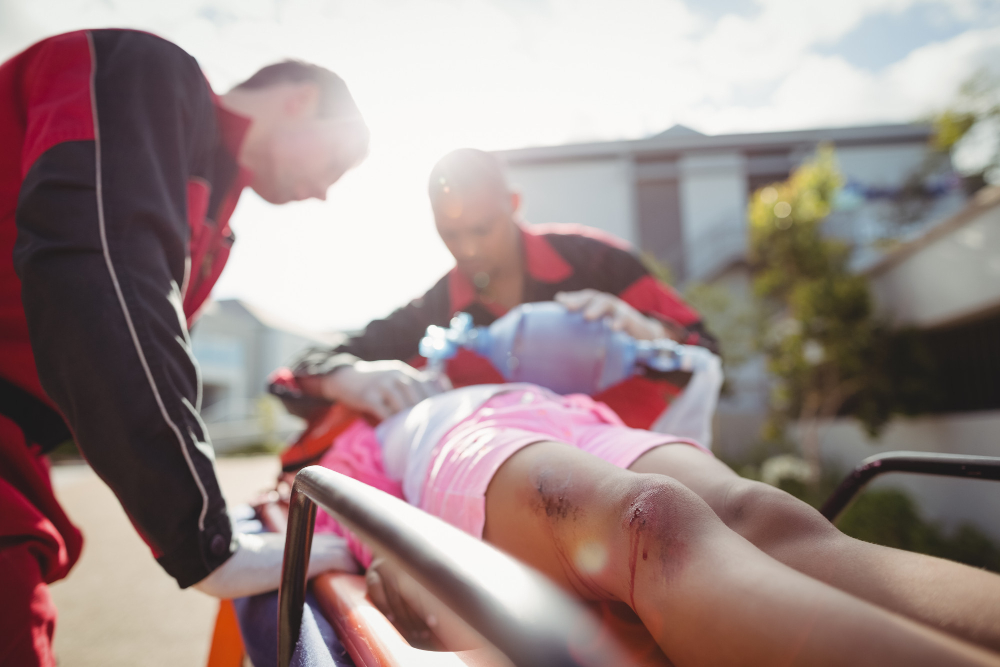
What Are Burn Emergencies?
Burn emergencies happen when the skin or deeper tissues are damaged by heat, chemicals, electricity, or radiation. These injuries can be serious and may need quick action. Because burns can cause pain, infection, or even life-threatening problems, it is important to know what to do. Burn emergencies can happen at home, work, or anywhere. Therefore, knowing how to respond can save lives and prevent lasting harm.
Common Causes of Burns
Burns can happen in many ways. Some causes are more common than others. For example, burns often occur in the kitchen or during daily activities. Here are the main causes:
Because burns can happen so quickly, always be careful around these sources.
Symptoms and Types of Burns
Burn injury symptoms depend on how deep and large the burn is. There are three main types of burns:
Sometimes, burns can cause swelling, fever, or trouble breathing. If you notice these signs, seek help right away.
Immediate First Aid Steps for Burns
Quick first aid for burns can reduce damage and pain. If someone gets burned, follow these steps:
Because quick action matters, always keep a first aid kit nearby. For chemical or electrical burns, seek emergency burn treatment right away.
When to Seek Emergency Medical Help
Some burns need urgent care. You should call for emergency help if:
Because burns can get worse quickly, do not wait to seek help if you are unsure. The CDC and WHO both recommend getting medical care for serious burns.
Prevention Tips for Burn Injuries
Burn emergencies can often be prevented. Here are some simple tips to stay safe:
Because prevention is easier than treatment, always follow these safety steps at home and work.
Frequently Asked Questions About Burn Emergencies
What should I do if a burn blisters?
Do not pop the blister. Instead, cover it with a clean bandage and watch for signs of infection, such as redness or pus.
Can I use ice on a burn?
No, do not use ice. Ice can damage the skin further. Use cool running water instead.
When is a burn considered an emergency?
If the burn is deep, large, or on the face, hands, feet, or genitals, seek emergency burn treatment right away.
How can I tell if a burn is infected?
Look for increased redness, swelling, pus, or fever. If you see these signs, contact a doctor.
Conclusion
Burn emergencies can be scary, but knowing what to do can make a big difference. If you or someone you know experiences a burn emergency, consult a healthcare professional immediately for personalized care and guidance.