
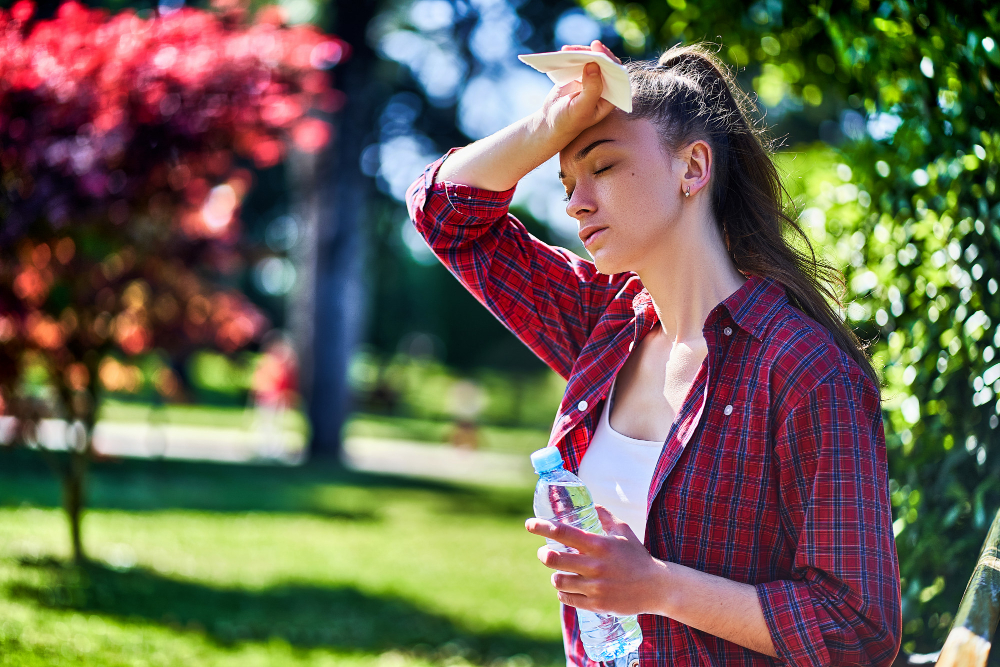
Summer brings warmth and fun, but it also raises the risk of dehydration and heat exhaustion. To prevent dehydration and heat exhaustion in summer, you need to stay alert and follow smart habits. Many people search for summer hydration tips, ways of avoiding heat exhaustion, and emergency medicine advice for hot weather. This guide will help you understand the dangers, spot the signs, and learn how to stay safe during hot days.
What Are Dehydration and Heat Exhaustion?
Dehydration happens when your body loses more water than it takes in. As a result, your body cannot work as it should. Heat exhaustion is a condition caused by too much heat and not enough fluids. Both can be dangerous, especially for children, older adults, and people with health problems. According to the CDC, these conditions are common in hot weather and need quick action.
Why Are They Common in Summer?
During summer, high temperatures and strong sun make you sweat more. This causes your body to lose water and salt faster. In addition, outdoor activities and sports increase your risk. Even sitting outside for long periods can lead to problems. Therefore, it is important to know why these issues happen more often in summer.
Symptoms to Watch For
It is important to spot the early signs of dehydration and heat exhaustion. Early treatment can prevent serious problems. Watch for these symptoms:
If you notice these signs, act quickly to cool down and rehydrate.
Proven Prevention Strategies
There are simple ways to prevent dehydration and heat exhaustion in summer. Emergency medicine experts recommend these tips:
Following these steps can greatly lower your risk.
Emergency Steps if Symptoms Occur
If you or someone else shows signs of heat exhaustion or dehydration, act fast. Here is what you should do:
Quick action can prevent serious health problems.
Lifestyle and Daily Habits for Hot Weather
Healthy habits can help you avoid trouble during hot days. For example, you can:
By making these habits part of your routine, you can stay safe all summer.
When to Seek Medical Help
Sometimes, home care is not enough. You should get medical help if:
In these cases, call emergency services or visit the nearest hospital. According to the WHO and CDC, quick treatment can save lives.
In summary, summer can be safe and fun if you take steps to prevent dehydration and heat exhaustion. For personalized advice on preventing dehydration and heat exhaustion, consult a healthcare professional.