
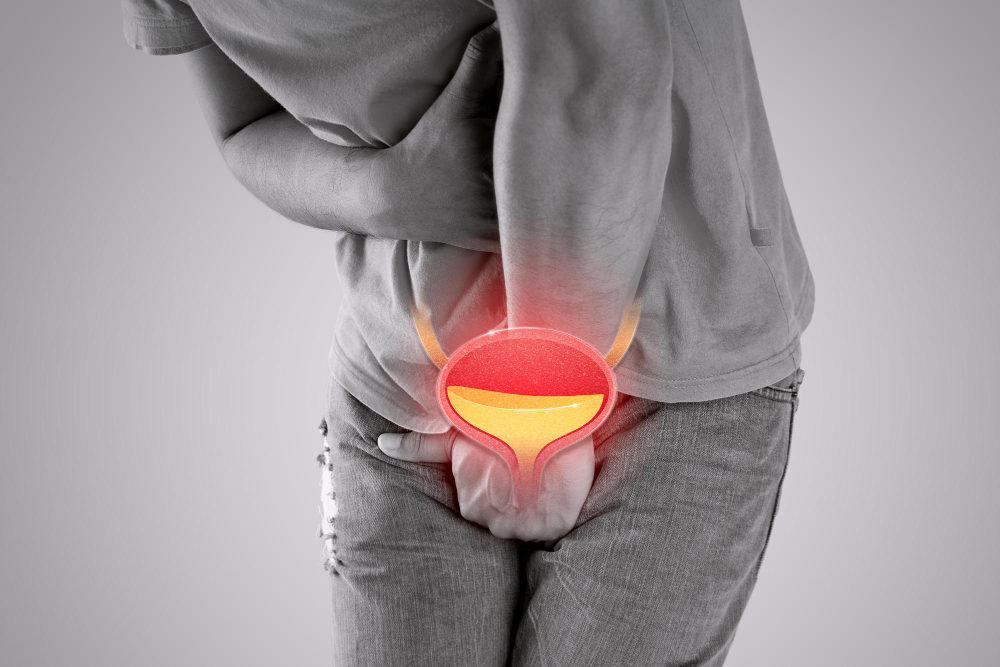
UTI Alert: Urinary tract infections (UTIs) are common, but many people do not know the signs. Early action can help you stay safe and healthy. In this blog, you will learn about UTIs, their symptoms, causes, and how to prevent them. We will also cover when to seek emergency care for UTIs. With the right information, you can protect yourself and your loved ones.
What is a Urinary Tract Infection (UTI)?
A urinary tract infection, or UTI, happens when germs enter the urinary system. This system includes the kidneys, bladder, ureters, and urethra. Most UTIs affect the bladder, but sometimes they can reach the kidneys. UTIs can cause pain and discomfort. However, with quick treatment, most people recover fully. According to the CDC, UTIs are one of the most common infections in adults and children.
Common Symptoms of UTIs
UTI symptoms in adults can vary. Some people may not notice any signs at first. Still, knowing the common symptoms helps you act quickly. Watch for these signs:
If you notice these symptoms, it is important to seek help. Early treatment can prevent more serious problems.
Causes and Risk Factors
UTIs are usually caused by bacteria, most often Escherichia coli (E. coli). These germs can enter the urinary tract from the skin or rectum. While anyone can get a UTI, some people have a higher risk. For example, women are more likely to get UTIs than men. Other risk factors include:
Because these factors can increase your risk, it is wise to take steps to lower them when possible.
How UTIs are Diagnosed
Doctors use simple tests to diagnose UTIs. First, they ask about your symptoms. Next, they may ask for a urine sample. This sample helps check for bacteria or blood. Sometimes, doctors may order more tests if you have frequent UTIs or if the infection is severe. For most people, a urine test is enough to confirm a UTI. Quick diagnosis means you can start treatment sooner and feel better faster.
Treatment Options for UTIs
UTI treatment usually involves antibiotics. Your doctor will choose the best medicine based on your health and the type of bacteria. It is important to take all the medicine, even if you feel better before it is finished. In addition, drinking plenty of water helps flush out bacteria. For pain, your doctor may suggest over-the-counter medicine. Most people feel better within a few days. However, if symptoms get worse, you should contact your doctor right away. According to the CDC, untreated UTIs can lead to kidney infections or other serious problems.
Prevention Tips to Stay Healthy
There are many UTI prevention tips you can follow to lower your risk. Simple changes in daily habits can make a big difference. Try these tips:
By following these steps, you can help prevent UTIs and stay healthy.
When to Seek Emergency Care
Sometimes, a UTI can become serious and needs emergency care. Watch for these warning signs:
If you notice any of these symptoms, seek emergency care for UTIs right away. Quick action can prevent serious health problems.
In summary, UTIs are common but treatable. With early action and good habits, you can stay safe and healthy. For more information or if you have symptoms, consult your healthcare professional for personalized advice.