
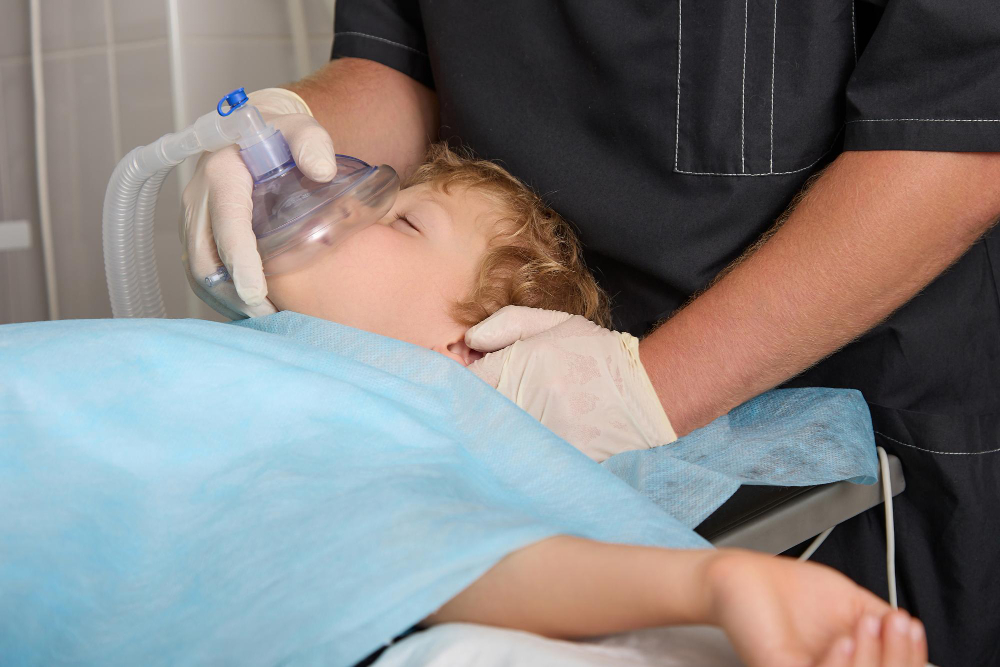
What is Pediatric Trauma Surgery?
Pediatric trauma surgery is a special type of surgery for children who have serious injuries. These injuries can happen from accidents, falls, or other sudden events. Unlike adults, children need different care because their bodies are still growing. For this reason, pediatric trauma surgeons have special training. They know how to treat injuries in children safely. In many cases, emergency pediatric surgery is needed to save a child’s life or prevent long-term problems. Pediatric trauma care focuses on quick action and gentle treatment.
Common Causes of Pediatric Trauma
Children can get hurt in many ways. However, some causes are more common than others. Knowing these can help parents stay alert. According to the CDC, the leading causes of child injuries include:
Because children are curious and active, accidents can happen quickly. But with careful supervision, many injuries can be prevented.
Recognizing Symptoms and When to Seek Help
Sometimes, it is hard to know if an injury is serious. Still, certain signs mean you should get help right away. For example, seek emergency pediatric surgery or care if your child:
Even if you are unsure, it is better to be safe. Quick action can make a big difference in child injury treatment.
Diagnosis and Initial Assessment
When you arrive at a hospital or pediatric trauma center, doctors will check your child right away. First, they ask about what happened. Then, they look for signs of serious injury. Often, they use tests like X-rays, CT scans, or blood tests. These help find broken bones, bleeding, or organ damage. Because children may not explain their pain well, doctors watch for other clues. Early diagnosis is key for the best outcome. Many pediatric trauma centers in large cities have special teams ready for emergencies.
Treatment Options and Surgical Procedures
Treatment depends on the type and severity of the injury. Sometimes, simple care like bandages or splints is enough. However, some injuries need surgery. Pediatric trauma surgeons use gentle methods to reduce pain and scarring. Common emergency pediatric surgery procedures include:
During surgery, doctors use special tools made for children. After surgery, your child will stay in the hospital for close monitoring. This ensures they recover safely.
Recovery and Aftercare
After pediatric trauma surgery, recovery can take days or weeks. But with good care, most children heal well. Doctors will give you instructions for home care. These may include:
Follow-up visits are important. They help doctors check healing and answer your questions. If you notice any problems, call your doctor right away. Early action helps prevent complications.
Prevention Tips for Parents
While not all injuries can be avoided, many can be prevented. Here are some tips for parents and caregivers:
Because prevention is the best medicine, these steps can help keep your child safe.
Conclusion
Pediatric trauma surgery can be scary for parents, but quick and expert care saves lives. If your child experiences a serious injury, consult a pediatric trauma specialist immediately for expert care.