
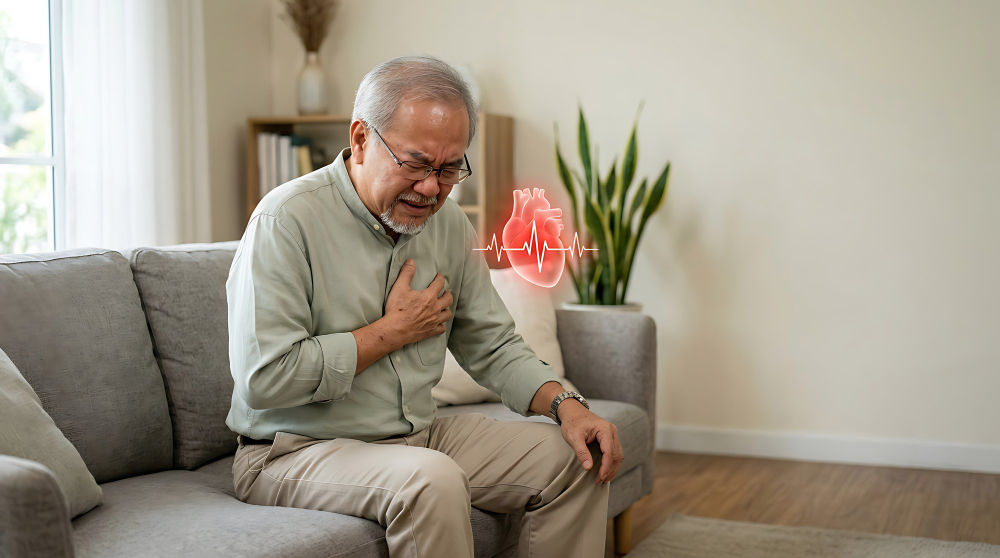
What Is an Irregular Heartbeat (Arrhythmia)?
An irregular heartbeat, also called arrhythmia, happens when your heart beats too fast, too slow, or skips beats. Usually, your heart has a steady rhythm. However, sometimes the pattern changes. This change can be harmless, but it may also signal a serious problem. For many people, an irregular heartbeat emergency can be scary. According to the Centers for Disease Control and Prevention (CDC), millions of people experience arrhythmias each year.
Common Symptoms of Arrhythmia
Arrhythmia symptoms can vary. Some people notice nothing, while others feel strange heartbeats. For example, you might feel:
Sometimes, symptoms come and go. Yet, if you feel faint or have chest pain, you should pay close attention.
Causes and Risk Factors
Many things can cause arrhythmia. For instance, heart disease, high blood pressure, or a past heart attack can raise your risk. In addition, some medicines, too much caffeine, or stress may trigger an irregular heartbeat. Age also plays a role. As people get older, their risk increases. Other risk factors include:
Because these factors add up, it is important to know your personal risk.
When Is an Irregular Heartbeat an Emergency?
Not all arrhythmias are dangerous. However, some can be life-threatening. You should seek emergency care for arrhythmia if you have:
In these cases, call emergency services right away. Quick action can save your life.
How Emergency Arrhythmias Are Diagnosed
When you arrive at the hospital, doctors act fast. First, they ask about your symptoms and health history. Next, they check your pulse and blood pressure. Often, they use an electrocardiogram (ECG) to see your heart’s rhythm. Sometimes, blood tests or a chest X-ray help find the cause. Because time matters, doctors work quickly to diagnose an irregular heartbeat emergency.
Emergency Treatment Options
Treatment depends on the type of arrhythmia. For example, doctors may:
Because every case is different, your care team chooses the safest plan for you.
Preventing Arrhythmia Emergencies
While you cannot prevent all arrhythmias, you can lower your risk. For instance, regular check-ups help spot heart problems early. If you have heart disease, take your medicine as directed. In addition, avoid triggers like too much caffeine or alcohol. The World Health Organization (WHO) suggests keeping blood pressure and cholesterol in a healthy range. By managing your health, you lower your chance of an irregular heartbeat emergency.
Lifestyle Tips for Heart Health
Healthy habits support your heart. For example, you can:
Because small changes add up, start with one new habit at a time. Over time, your heart will thank you.