
Introduction
High cholesterol is a common health problem. It means there is too much cholesterol in your blood. Cholesterol is a fatty substance your body needs, but too much can harm you. In fact, high cholesterol is closely linked to heart health. It can increase the risk of heart disease and stroke. Many people want to know the effects of high cholesterol on the heart. Others ask about cholesterol and cardiovascular risk or how to lower cholesterol naturally. Understanding these topics can help you make better choices for your health.
What is High Cholesterol?
Cholesterol is a waxy, fat-like substance found in your blood. Your body needs some cholesterol to build cells and make hormones. However, when you have high cholesterol, extra cholesterol can build up in your blood vessels. This buildup is called plaque. Over time, plaque can narrow or block your arteries. As a result, blood flow to your heart and brain may slow down or stop. According to the CDC, high cholesterol often has no signs, so many people do not know they have it.
How High Cholesterol Affects Heart Health
High cholesterol can harm your heart in several ways. First, it causes plaque to form in your arteries. This makes it harder for blood to flow. As a result, your heart must work harder to pump blood. Over time, this can lead to heart disease. In some cases, a piece of plaque can break off and cause a heart attack or stroke. According to the World Health Organization (WHO), heart disease is a leading cause of death worldwide. Therefore, managing cholesterol is important for a healthy heart.
Common Symptoms and Risk Factors
Usually, high cholesterol does not cause symptoms. Many people only find out through a blood test. However, some people may develop signs if cholesterol leads to blocked arteries. For example, chest pain or shortness of breath can occur. It is important to know the risk factors for high cholesterol. These include:
Diagnosis: How High Cholesterol is Detected
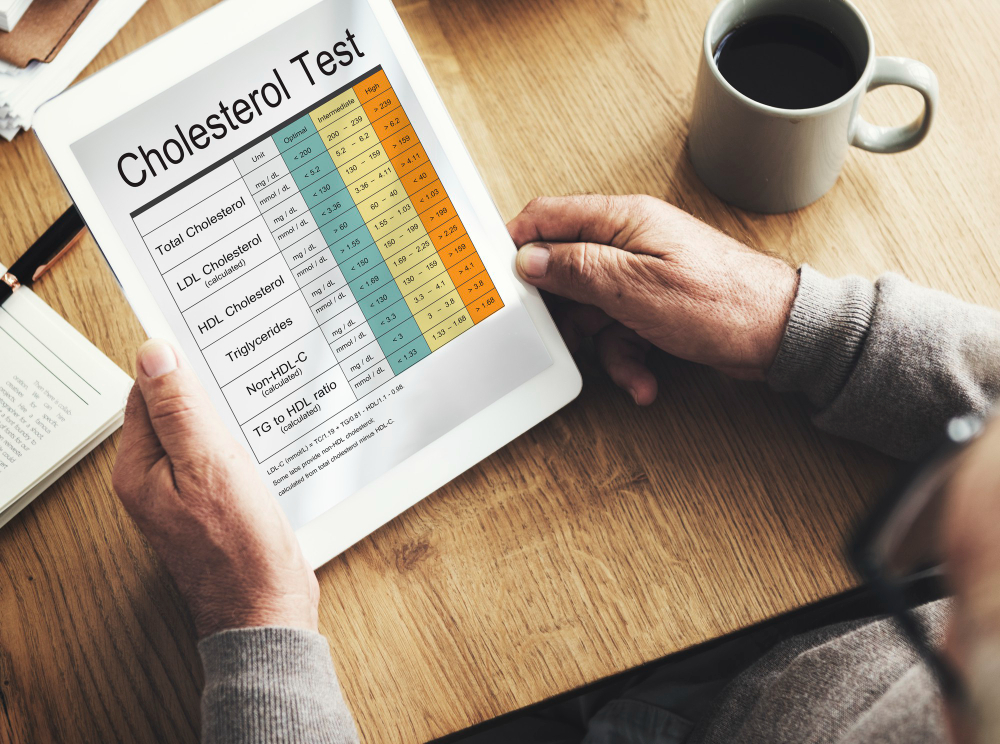
Doctors use a simple blood test to check cholesterol levels. This test is called a lipid panel. It measures total cholesterol, LDL (bad cholesterol), HDL (good cholesterol), and triglycerides. Usually, you need to fast before the test. Your doctor will explain your results and what they mean for your heart health. Regular testing is important, especially if you have risk factors. Early detection can help you lower cholesterol naturally or with treatment.
Treatment Options for High Cholesterol
Treating high cholesterol often starts with lifestyle changes. However, some people may need medicine. Common treatments include:
Your doctor will choose the best plan for you. According to the American Heart Association, combining lifestyle changes with medicine can lower cholesterol and reduce cardiovascular risk.
Lifestyle Changes and Prevention Tips
Making healthy choices can help prevent high cholesterol. For example, you can:
In addition, regular check-ups can help you track your cholesterol and heart health. Small changes can make a big difference over time.
When to Seek Emergency Care
Sometimes, high cholesterol can lead to serious problems. If you have chest pain, shortness of breath, sudden weakness, or trouble speaking, seek emergency care right away. These may be signs of a heart attack or stroke. Quick action can save your life. Do not wait if you feel something is wrong.
Consult a healthcare professional for personalized advice on managing high cholesterol and protecting your heart health.