
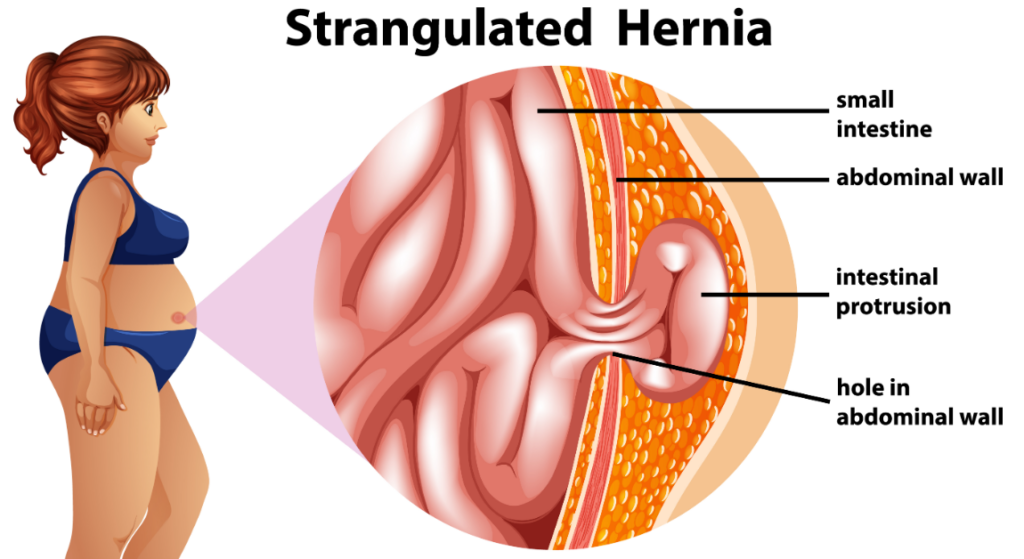
What is a Hernia in Girls?
A hernia in girls happens when a part of the body, like the intestine, pushes through a weak spot in the muscle or tissue. This can cause a small lump or bulge, often in the groin or belly area. Although hernias are more common in boys, girls can get them too. Early awareness of hernia in girls is important because quick treatment can prevent problems. Parents should know the signs and what to do if they notice any symptoms.
Common Symptoms of Hernia in Girls
Recognizing pediatric hernia symptoms early helps with faster care. Some hernias may not cause pain, but others can be uncomfortable. Look for these signs:
Sometimes, the bulge may disappear when your child is calm or lying down. However, if the lump stays or becomes hard, it could be serious.
Causes and Risk Factors
Hernias in girls can happen for several reasons. Most often, they are present at birth. However, some develop later. Here are common causes and risk factors:
For example, girls born early or with a family history may have a higher risk. But, any child can develop a hernia.
How Hernia in Girls is Diagnosed
Doctors use several steps to diagnose hernia in girls. First, they ask about symptoms and medical history. Next, they do a gentle physical exam. During the exam, the doctor may ask your child to cough or strain to see if a bulge appears. Sometimes, the doctor may order an ultrasound. This test uses sound waves to create pictures inside the body. Ultrasound helps confirm the diagnosis and checks for complications. Usually, no blood tests are needed. Quick diagnosis is important to prevent problems.
Treatment Options for Hernia in Girls
Treatment for hernia in girls depends on the type and severity. In most cases, surgery is needed to fix the hernia. Here are common treatment options:
After surgery, most children recover quickly. However, follow your doctor’s advice for the best results.
Prevention and Home Care Tips
While not all hernias can be prevented, some steps may lower the risk. Here are helpful tips:
If your child has had hernia surgery, follow all care instructions. For example, keep the area clean and avoid rough play until healed.
When to Seek Emergency Care
Some hernia symptoms need urgent attention. Seek emergency care if you notice:
These can be emergency signs of hernia in children. Quick treatment can prevent serious problems, such as tissue damage.
Conclusion
In summary, hernia in girls is treatable when caught early. Knowing the symptoms and causes helps parents act fast. If you notice symptoms of hernia in your child, consult a healthcare specialist for personalized advice.