
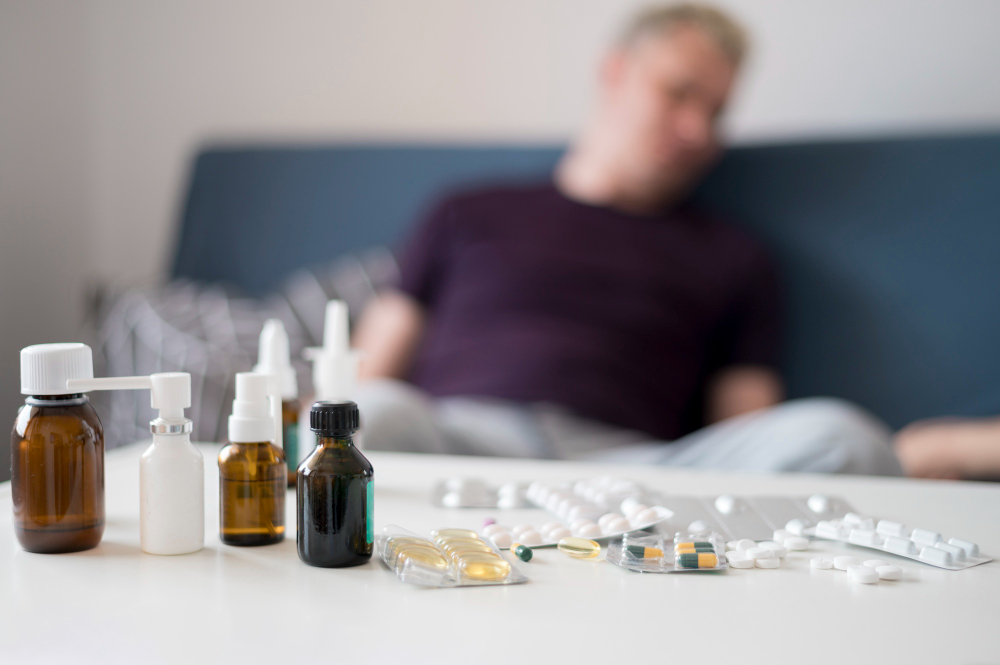
What is Drug Poisoning?
Drug poisoning happens when someone takes too much of a medicine or drug. This can be by accident or on purpose. Sometimes, even a small amount can be dangerous, especially for children or older adults. Drug poisoning is a medical emergency. It can happen with prescription drugs, over-the-counter medicines, or illegal drugs. According to the CDC, drug poisoning is a leading cause of emergency room visits in many countries.
Common Symptoms of Drug Poisoning
Recognizing the signs of drug poisoning early can save lives. Symptoms can appear quickly or slowly, depending on the drug. For example, some people may feel sick within minutes, while others may take hours to show symptoms. Watch for these common signs:
If you notice any of these symptoms, act quickly. Early action can prevent serious harm.
Causes and Risk Factors
There are many causes of drug poisoning. Sometimes, people take the wrong dose by mistake. Other times, mixing drugs or alcohol can lead to poisoning. Children are at high risk because they may swallow medicines left within reach. Older adults may also be at risk due to taking many medicines at once. Here are some common causes and risk factors:
Knowing these risks can help you prevent drug poisoning in your home.
How Drug Poisoning is Diagnosed
Doctors use several steps to diagnose drug poisoning. First, they ask about the drugs taken and the amount. Next, they check vital signs like heart rate and breathing. Blood and urine tests can help find the drug involved. Sometimes, doctors may use imaging tests if they suspect organ damage. Quick diagnosis is important. It helps doctors choose the best treatment and prevent further harm.
Emergency Treatment Options
Immediate care is needed for drug poisoning. If you suspect someone has taken too much of a drug, call emergency services right away. While waiting for help, try to keep the person awake and breathing. Do not try to make them vomit unless a doctor tells you to. In the hospital, doctors may:
Fast treatment can save lives and reduce long-term effects.
Prevention Tips
Preventing accidental poisoning is possible with a few simple steps. For instance, always store medicines out of reach of children. Also, keep drugs in their original containers. Here are more tips to prevent drug poisoning:
By following these steps, you can lower the risk of drug poisoning at home.
When to Seek Medical Help
It is important to act fast if you think someone has drug poisoning. Call emergency services if the person:
Even if you are not sure, it is better to be safe. Quick action can save a life.
If you suspect drug poisoning, seek emergency medical help immediately.