
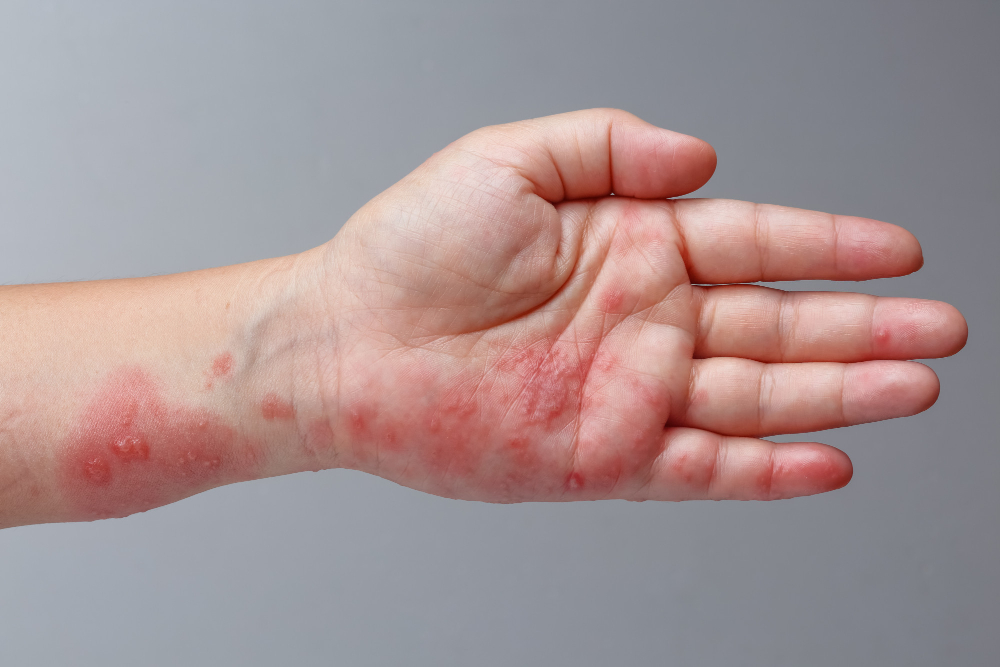
What is Anaphylaxis?
Anaphylaxis is a sudden and severe allergic reaction. It can happen within minutes after contact with an allergen. Because it can be life-threatening, quick action is important. Anaphylaxis affects the whole body. It can cause breathing problems, swelling, and a drop in blood pressure. For this reason, knowing the signs and how to respond can save lives.
Common Symptoms of Anaphylaxis
Symptoms of anaphylaxis can appear quickly. Sometimes, they start within seconds. Other times, they may take a few minutes. Early recognition is key. Look for these signs:
However, not everyone will have all these symptoms. Sometimes, only a few signs appear. Always take any severe allergic reaction seriously.
Causes and Risk Factors
Anaphylaxis happens when the immune system overreacts to a trigger. Common causes include:
Some people are at higher risk. For example, those with a history of allergies or asthma may be more likely to have anaphylaxis. Children and adults with past severe reactions should be extra careful. Even so, anyone can develop anaphylaxis at any time.
How Anaphylaxis is Diagnosed
Doctors diagnose anaphylaxis based on symptoms and medical history. Often, the diagnosis is made quickly because treatment cannot wait. Sometimes, blood tests may be done after the emergency. These tests can help confirm the reaction. However, the main focus is always on fast treatment. If you have had anaphylaxis before, your doctor may suggest allergy testing. This can help find the exact trigger.
Emergency Treatment and First Aid Steps
Acting fast during anaphylaxis can save a life. Here are the steps to follow:
Even if symptoms get better, always go to the hospital. Sometimes, symptoms can return after a short time.
Prevention Tips and Lifestyle Guidance
Preventing anaphylaxis is possible in many cases. Here are some helpful tips:
With these steps, you can lower your risk of severe allergic reactions. However, always stay prepared for emergencies.
When to Seek Medical Help
Seek emergency medical help right away if you or someone else:
Even if symptoms seem mild at first, they can get worse quickly. Therefore, do not wait to call for help.
If you or someone you know experiences symptoms of anaphylaxis, seek emergency medical care immediately.