
Introduction
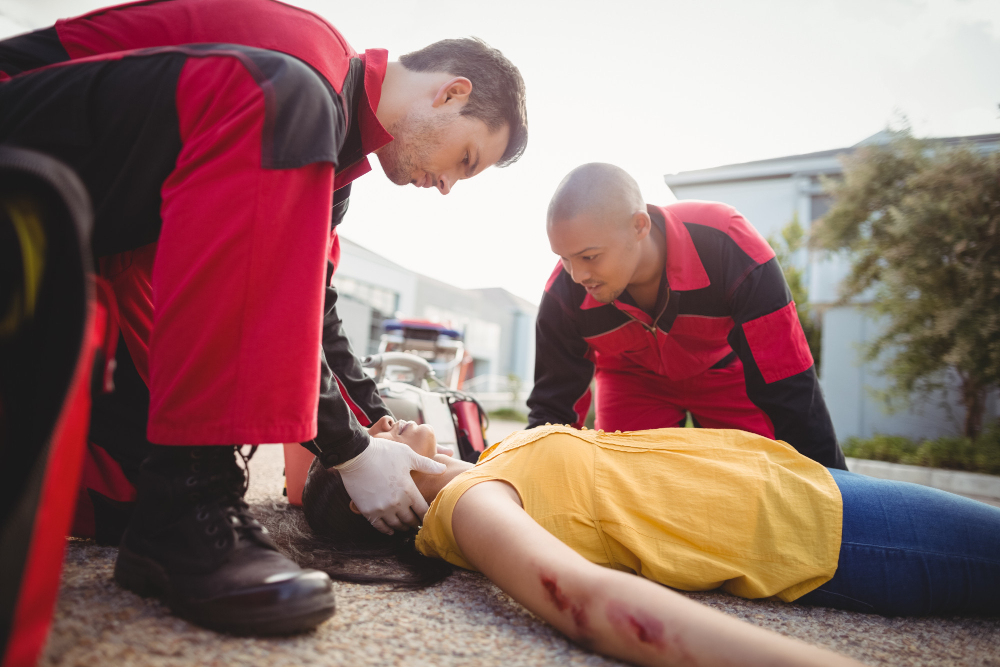
Trauma care awareness means knowing how to respond when accidents happen. Handling accidents safely can save lives and prevent serious injuries. In many cases, quick action and basic first aid make a big difference. Because accidents can happen anywhere, everyone should learn about trauma care, emergency response, and accident safety. This blog will guide you through the basics of trauma care awareness and how to handle accidents safely. You will also find tips on recognizing trauma, taking immediate steps, and knowing when to seek help.
What is Trauma Care Awareness?
Trauma care awareness is understanding how to help someone after an accident or injury. It includes knowing what to do, who to call, and how to stay calm. For example, you might need to give first aid or call emergency services. Trauma care awareness also means learning how to prevent accidents before they happen. Because every second counts, being prepared is important for everyone.
Common Causes of Accidents
Accidents can happen at home, on the road, or at work. Some common causes include:
Because these accidents are common, knowing how to respond is important for everyone.
Recognizing Trauma: Key Symptoms and Signs
After an accident, it is important to look for signs of trauma. Some key symptoms include:
However, some injuries may not show right away. Always watch for changes in behavior or alertness. If you notice any of these signs, act quickly.
Immediate Steps to Take After an Accident
When an accident happens, staying calm is the first step. Next, follow these steps:
Because quick action can save lives, it is important to know these steps.
When to Seek Emergency Medical Help
Sometimes, you need to get professional help right away. Call emergency services if:
Even if you are unsure, it is better to call for help. Early medical care can prevent serious problems.
Preventive Measures for Accident Safety
While accidents are sometimes unavoidable, you can lower the risk by following these tips:
Because prevention is key, these steps can help keep you and your loved ones safe.
Myths and Facts About Trauma Care
Because knowing the facts helps you respond better, always check trusted sources like the CDC or WHO.
For more information, visit these trusted sites. You can also ask your local healthcare provider about first aid classes and trauma care training.
Remember: If you have questions or need help, consult a healthcare professional or emergency specialist for advice tailored to your needs.