
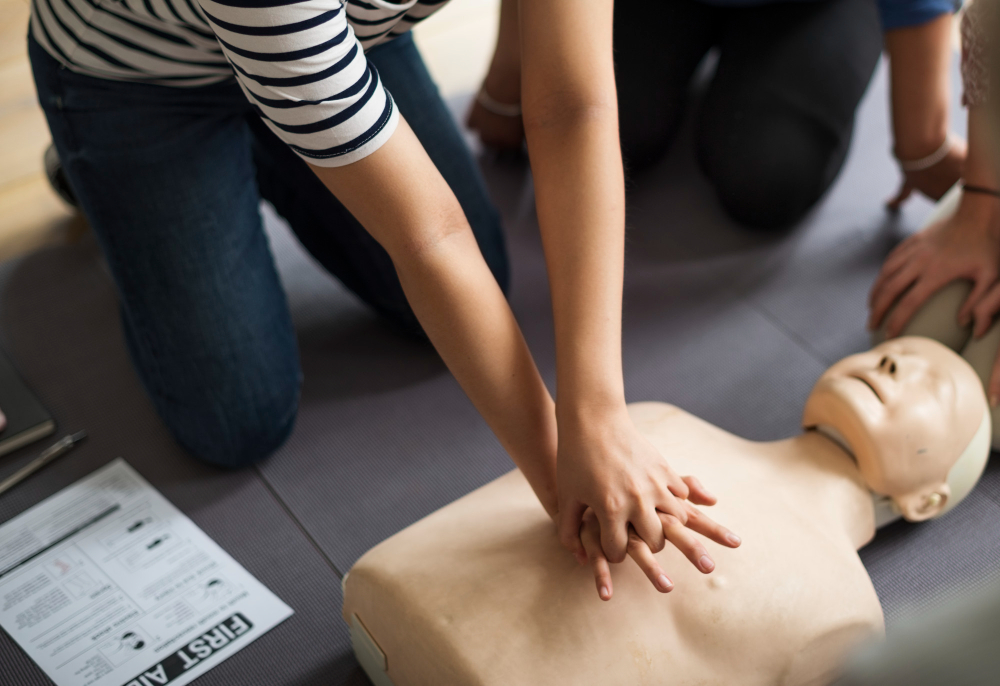
What Is Basic Life Support (BLS)?
Basic Life Support (BLS) is a set of simple steps that help save lives during emergencies. For example, BLS includes chest compressions and rescue breaths. Anyone can learn these skills, even without a medical background. In fact, BLS is often the first help a person gets before medical teams arrive. According to the American Heart Association, early BLS can double or triple a person’s chance of survival. Because of this, BLS is important for everyone, not just healthcare workers.
The Importance of CPR Skills
CPR stands for cardiopulmonary resuscitation. It is a key part of BLS. When a person’s heart stops, CPR keeps blood and oxygen moving. As a result, the brain and other organs stay alive until help comes. Many sudden deaths happen outside hospitals. Therefore, knowing CPR can make a big difference. Studies show that quick action by bystanders can save thousands of lives each year. For this reason, CPR training for beginners is vital for families, teachers, and workers everywhere.
When and How BLS Is Used
BLS is used in many situations. For instance, you may need it if someone:
In these moments, acting fast is key. First, check if the person is awake and breathing. Next, call for help. Then, start BLS right away. Even if you are unsure, it is better to try than to do nothing. Many people learn how to perform BLS in CPR classes in their city or online.
Key Steps in Performing BLS
While BLS may sound complex, the main steps are simple. Here are the basic actions:
For children and infants, there are a few changes in technique. However, the main goal remains the same: keep blood and oxygen moving. Life-saving CPR techniques are taught in most BLS classes.
Common Myths About CPR and BLS
Many people believe myths about CPR and BLS. For example, some think only doctors can do CPR. In reality, anyone can learn and use these skills. Others worry about hurting the person. But, doing nothing is often more dangerous. Some also think mouth-to-mouth is always needed. However, hands-only CPR is effective for adults in many cases. Because of these myths, it is important to get the right information from trusted sources like the CDC or WHO.
How to Learn and Maintain BLS Skills
Learning BLS is easier than many expect. Many local hospitals and community centers offer CPR training for beginners. You can also find CPR classes in your city or online. After training, you will get a CPR certification. This shows you know the steps and can help in emergencies. To keep your skills sharp, it is wise to refresh your training every two years. Some workplaces even require regular BLS updates. Practicing with friends or family can also help you remember what to do.
Prevention and Community Impact
Knowing BLS does more than help in emergencies. It also builds a safer community. For instance, schools that teach CPR help students feel ready to act. Workplaces with trained staff can respond quickly to accidents. In addition, spreading awareness about the importance of CPR certification encourages others to learn. The more people know BLS, the more lives can be saved. According to the WHO, early action and community training lower the risk of death from sudden heart events. Because of this, many cities now offer free or low-cost CPR classes for everyone.