
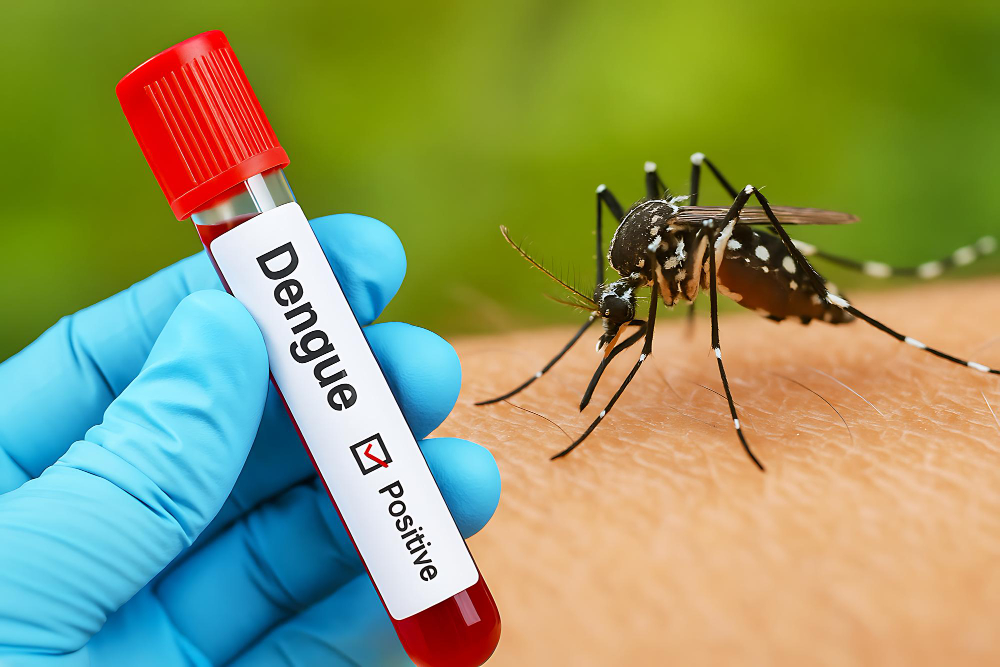
What is Dengue Fever?
Dengue fever is a viral illness spread by mosquitoes. It is common in many tropical and subtropical areas. The virus causes flu-like symptoms, but sometimes it leads to serious health problems. Many people focus on platelet count, but there are other important warning signs. Knowing these signs can help you get the right care early.
Common Symptoms of Dengue Fever
At first, dengue fever may look like the flu. However, some symptoms are unique. Early signs usually appear four to ten days after a mosquito bite. Watch for these common symptoms:
Even though these symptoms are common, not everyone will have all of them. Some people may feel only mild discomfort, while others get very sick.
Why Platelet Count Isn’t the Only Warning Sign
Many people believe that a low platelet count is the main danger in dengue fever. While platelets are important, they are not the only thing to watch. Platelet levels can drop in many illnesses, not just dengue. Furthermore, serious problems can happen even when platelet counts are not very low. According to the World Health Organization (WHO), other warning signs can show up before platelets fall too much. So, it is important to look for all signs of severe dengue, not just changes in blood tests.
Critical Warning Signs to Watch For (beyond platelet count)
Sometimes, dengue fever can become severe. This stage is called severe dengue or dengue hemorrhagic fever. It can lead to shock, organ failure, or even death if not treated quickly. Therefore, you should watch for these warning signs:
For example, if someone with dengue fever starts to vomit blood, this is a medical emergency. Even if platelet counts seem okay, these signs mean the illness is getting worse. According to the CDC and WHO, these symptoms need urgent care.
When to Seek Emergency Care
If you or someone you know has dengue fever and shows any of the warning signs above, seek emergency care right away. Early treatment can save lives. Do not wait for the platelet count to drop further. Instead, act quickly if you notice:
Remember, children and older adults may get worse faster. Therefore, always watch them closely if they have dengue fever.
Prevention Tips for Dengue Fever
Although there is no specific cure for dengue fever, you can lower your risk. Here are some simple prevention tips:
By following these steps, you can help protect yourself and your family from dengue fever.
Conclusion
Dengue fever can be dangerous, but knowing the warning signs beyond platelet count can save lives. Always watch for severe symptoms and act fast if they appear. If you notice any warning signs of dengue fever, consult a healthcare specialist immediately for personalized care.