
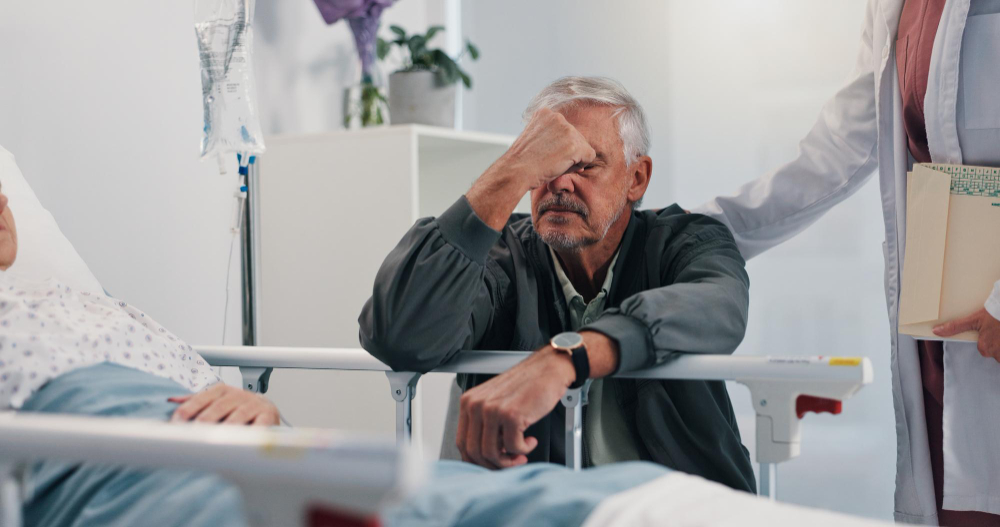
What Is Trauma Care?
Trauma care overview is important for everyone. Trauma care means the steps taken to help people after a serious injury. These injuries can happen suddenly and may be life-threatening. For example, trauma care includes first aid, emergency care, and hospital treatment. Quick action can save lives. Hospitals often have special trauma teams ready to help in emergencies. Knowing about trauma care helps you respond better in critical moments.
Common Causes of Trauma
Many things can cause trauma. Some causes are more common than others. Understanding these can help you stay safe. For instance, here are some frequent causes:
Because trauma can happen anywhere, it is important to stay alert in daily life.
Recognizing Trauma Symptoms
Early signs of trauma are not always obvious. However, knowing what to look for can help you act fast. Common trauma symptoms include:
Sometimes, symptoms may appear later. Therefore, always watch for changes after an injury.
How Trauma Is Diagnosed
Doctors use several methods to diagnose trauma. First, they check vital signs like pulse and breathing. Next, they look for visible injuries. Sometimes, they use X-rays or scans to see inside the body. Blood tests may also help find hidden problems. Because every injury is different, doctors choose the best tests for each person. Quick diagnosis is key for proper treatment.
Emergency Trauma Treatments
Emergency trauma treatment starts right away. The main goal is to keep the person alive and stable. Common emergency steps include:
After these steps, doctors may perform surgery or other treatments. Because every second counts, fast action is vital.
Steps to Take in a Trauma Emergency
If you see someone injured, you can help. Here are simple steps to follow:
Even small actions can make a big difference. Therefore, knowing these steps is helpful for everyone.
Prevention Tips for Trauma
While not all trauma can be avoided, many injuries are preventable. Here are some tips to reduce your risk:
Because prevention is better than cure, these habits can help keep you and your family safe.
When to Seek Medical Help
Sometimes, it is hard to know when to get help. However, you should seek medical care if:
Even if you are unsure, it is better to be safe. Quick medical care can save lives.
If you or someone you know experiences trauma, consult a medical professional immediately for personalized care.