
What Is Emergency Preparedness?
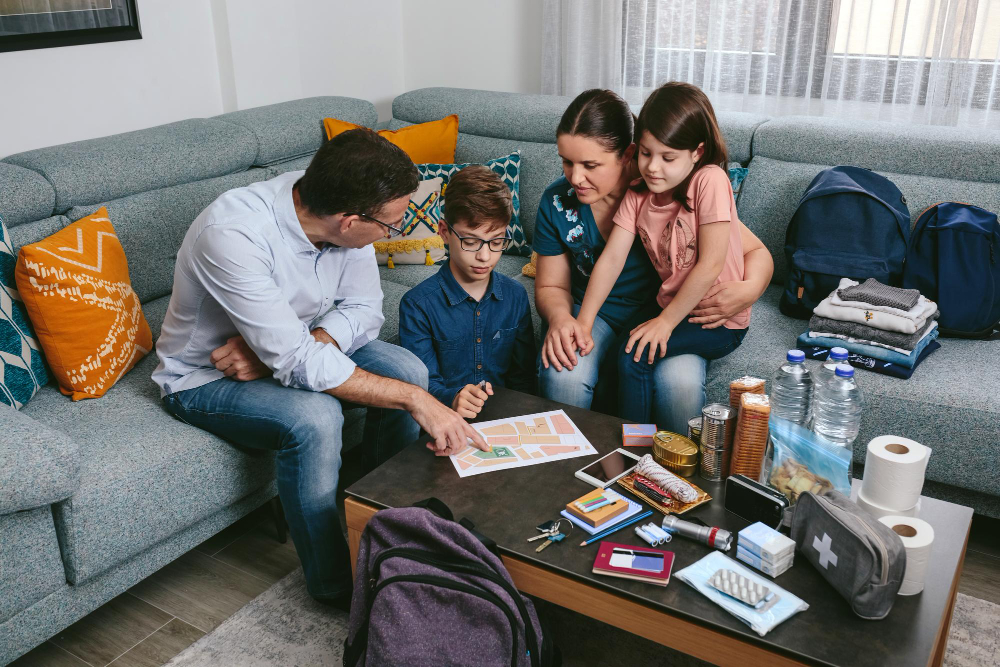
Emergency preparedness means getting ready for unexpected events. These events can include natural disasters, power outages, or health emergencies. Every family should know what to do before, during, and after an emergency. When you plan ahead, you help keep your loved ones safe. Emergency preparedness is not just about having supplies. It also means knowing how to use them and having a plan in place.
Why Every Family Needs a Health Checklist
Every family faces different risks. For example, some areas have more storms, while others may face earthquakes or floods. Because emergencies can happen at any time, a health checklist helps you stay organized. With a checklist, you can make sure you have what you need. In addition, it helps you remember important steps during stressful times. A health checklist for emergencies can save lives. It also gives you peace of mind.
Essential Items for a Family Emergency Health Checklist
It is important to gather supplies before an emergency happens. Below are key items every family should include in their emergency kit essentials:
How to Create and Maintain Your Family’s Health Checklist
First, sit down with your family and talk about your needs. Next, write down each person’s health details. For example, note allergies, medicines, and special needs. Then, gather the items listed above. Store them in a safe, easy-to-reach place. After that, check your supplies every six months. Replace expired items and update your list as your family changes. Keeping your health checklist up to date is key for family emergency preparedness.
Tips for Communicating and Practicing Emergency Plans
Good communication can save lives during an emergency. Therefore, make sure everyone knows the plan. Practice your emergency plan at least twice a year. For example, have a family drill where you pretend there is a power outage or fire. Teach children how to call emergency services. In addition, choose a meeting spot outside your home. Share your emergency contact list with all family members. Practicing together helps everyone stay calm and ready.
Common Mistakes to Avoid in Emergency Preparedness
Many families forget to update their emergency kit essentials. Others do not include enough water or forget about pets. Sometimes, people do not practice their plan. As a result, they may panic during a real emergency. Another mistake is not checking expiration dates on medicines or food. To avoid these problems, review your checklist often. Also, talk with your family about any changes in health or needs.
Resources for Reliable Emergency Preparedness Information
It is important to use trusted sources for emergency planning for families. The Centers for Disease Control and Prevention (CDC) and the World Health Organization (WHO) offer helpful guides. Local health departments and emergency services also provide advice. You can visit their websites for up-to-date tips and checklists. In addition, many cities have emergency alert systems you can sign up for. These resources help you stay informed and ready.
Being prepared can make a big difference in an emergency. For more help, consult your healthcare provider or local emergency services for personalized emergency preparedness advice.