
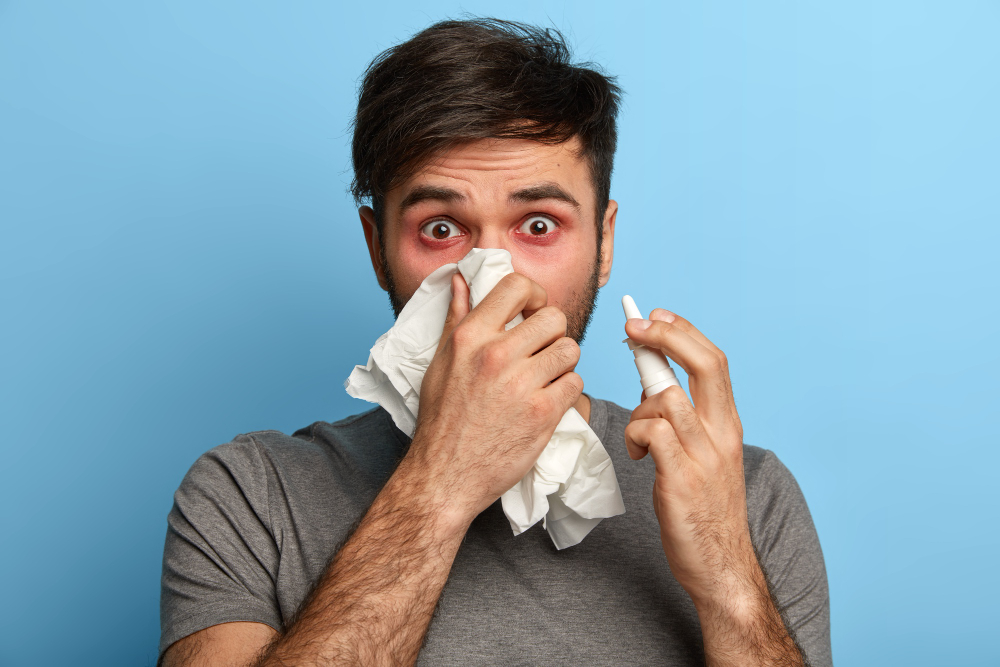
What is Allergic Rhinitis?
Allergic rhinitis is a common condition. It happens when your body reacts to allergens in the air, such as pollen, dust, or pet dander. In the United States, millions of people experience allergic rhinitis each year. Because your immune system sees these allergens as harmful, it releases chemicals that cause symptoms. This condition is also called hay fever, but you do not need to have a fever to have it. Although allergic rhinitis is not life-threatening, it can affect your daily life.
Common Symptoms
People with allergic rhinitis often notice symptoms soon after coming into contact with allergens. For example, you may start sneezing or have a runny nose. Other symptoms can include:
Sometimes, these symptoms can be mild. However, they can also be severe and last for weeks or months. If you notice these allergic rhinitis symptoms often, it may be time to talk to your doctor.
Main Causes and Risk Factors
Allergic rhinitis is caused by your immune system overreacting to harmless substances. Common triggers include:
In addition, some people are more likely to get allergic rhinitis. Risk factors include:
Because these factors can increase your risk, it helps to know your triggers. That way, you can take steps to avoid them.
Diagnosis Methods
If you think you have allergic rhinitis, your doctor will start by asking about your symptoms. Next, they may do a physical exam. Sometimes, allergy testing is needed. For example, your doctor may suggest:
Because other conditions can cause similar symptoms, it is important to get the right diagnosis. Your doctor will help rule out other causes, such as infections.
Treatment Options
There are many ways to manage allergic rhinitis. Treatment depends on how severe your symptoms are. Common allergic rhinitis treatment options include:
Although medicines can help, always use them as directed. For children, talk to your doctor before giving any medicine.
Lifestyle Tips and Prevention
While you cannot always avoid allergens, you can lower your risk. Here are some tips on how to prevent allergic rhinitis:
Because prevention can make a big difference, try to follow these steps every day. If you notice symptoms, act early to keep them from getting worse.
When to Seek Emergency Care
Most cases of allergic rhinitis are mild. However, sometimes symptoms can become serious. Seek emergency care for allergic rhinitis if you:
Because these signs can mean a severe allergic reaction, get help right away. Quick action can save lives.
Conclusion
Allergic rhinitis can affect your comfort and daily life. However, with the right steps, you can manage symptoms and prevent flare-ups. For personalized advice on allergic rhinitis, consult a healthcare professional.